
Lindsay Clancy Mistrial: What Happens After The Hung Jury?
Defense attorney Kevin Reddington discusses a possible bench trial as prosecutors consider their next move.

- 0Facebook
- 0Twitter
- 0Pinterest
- 0LinkedIn
- Total0
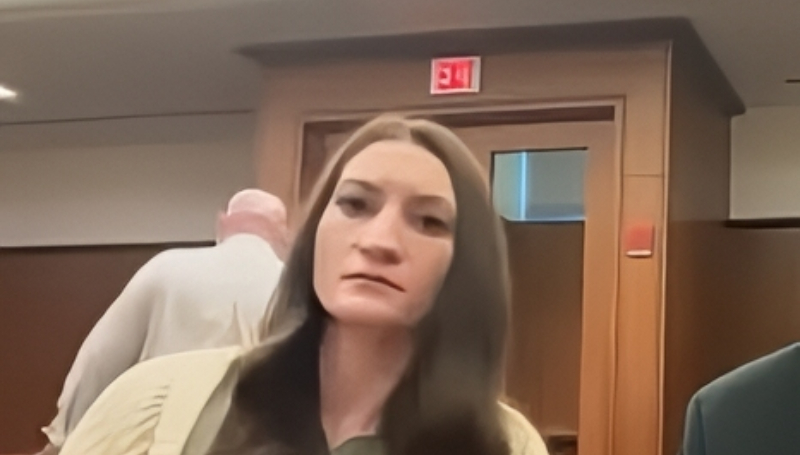
The judge declared a mistrial in the Lindsay Clancy triple-murder case on Friday. Defense attorney Kevin Reddington had a lot to say about the outcome, while opinions among true crime followers varied widely.
Some people believe it could pave the way for an acquittal. For now, however, Clancy is stuck in limbo because of the hung jury. The case is far from over.
The Jury Holdout
Many people commented on social media that the case should end up on Netflix because of its complexity and the global interest it has attracted. Well, they might have to wait a while for that, if it happens at all, because returning to court could take months or even years.
In Massachusetts, all 12 jurors must agree on the same verdict. In Clancy’s case, one reported holdout was enough to prevent that. Judge William Sullivan said he had “no choice but to declare a mistrial.”
Attorney Reddington Did Not Want A Mistrial
According to Reddington, the jury was split 11 to 1 in favor of an acquittal, which was not the outcome he wanted. During a press conference outside the courthouse on Thursday, he specifically said that he did not want a mistrial.
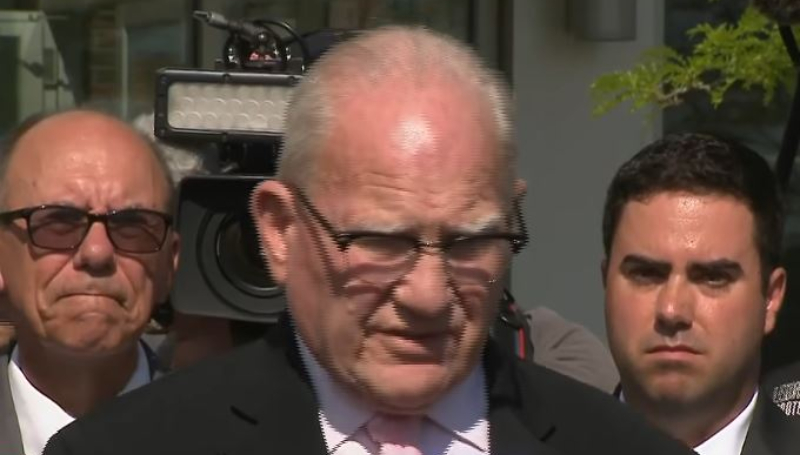
His argument that Clancy suffered from severe postpartum psychosis and lacked criminal responsibility appeared to persuade 11 jurors. However, he must now turn his attention to what lies ahead for his client.
Double Jeopardy Does Not Apply
People from across the world have followed the case, and not all of them understand federal or state law in the United States.
There is a misconception that if someone is not convicted at trial, they cannot be tried again for the same offense. In the United States, this protection is known as double jeopardy.
But that protection does not apply here. Clancy was not acquitted because the jury never reached a verdict. Therefore, prosecutors are legally allowed to put her on trial again.
In legal terms, the case against Lindsay Clancy has stalled. There is a pause for now. The charges remain, but what happens next depends on the prosecution.
According to CBS Boston, Patrick Clancy’s ex-wife remains in custody without bail at Tewksbury Hospital, where she is receiving psychiatric care.
Alternatives the Prosecution Can Consider
True crime followers are already talking about the possibility of a second jury trial, but there are alternatives. The prosecution and defense could agree to a bench trial under the right circumstances.
That would mean there would be no jury. Instead, a judge would decide whether Clancy was guilty or not guilty. One possible advantage is that a bench trial could cut through some of the theatrics and prevent a single juror from causing further delays.
Bench Trial With Conditions
Interestingly, when Kevin Reddington discussed the possibility, he did not entirely rule it out. He suggested that he might consider it under the right conditions.
“If it’s a second-degree murder, I could consider a bench trial,” he said.
It is important to note that Lindsay Clancy cannot face a bench trial while the first-degree murder charges remain.
Under Massachusetts law, the degree of murder must be decided by a jury. However, if District Attorney Timothy Cruz reduces the charges to second-degree murder or manslaughter, it could open the door to a bench trial.
For Reddington, if a bench trial offered a way to avoid prison time, he would not argue against it. That is despite his preference for a jury.
During his question-and-answer session with reporters, he said that he still “likes the jury” system, but a bench trial could offer a more manageable way to keep Lindsay Clancy out of the prison system.
A Possible Plea Deal
A lot remains up in the air. The BBC noted, “They could also try to reach a plea deal with Lindsay Clancy or choose not to retry the case at all.” However, abandoning the prosecution does not appear to be a likely outcome.
The next step in the case is a status hearing scheduled for Tuesday, September 29, 2026. True crime followers may then learn how the prosecution intends to proceed.
The options include a full retrial before a jury on the original first-degree murder charges. The prosecution could also reduce the charges, potentially opening the door to a bench trial. Another possibility is a plea deal, although that may be difficult to reach given that three children died.
Your thoughts? Join the discussion and then come back for more true crime news and updates. We also have a crime channel on TikTok that you can follow.