
Lindsay Clancy Trial: Crisis Hotline Calls Revealed In Court
Defense highlights hotline calls and postpartum psychosis as the Lindsay Clancy trial focuses on her mental health.

- 0Facebook
- 0Twitter
- 0Pinterest
- 0LinkedIn
- Total0
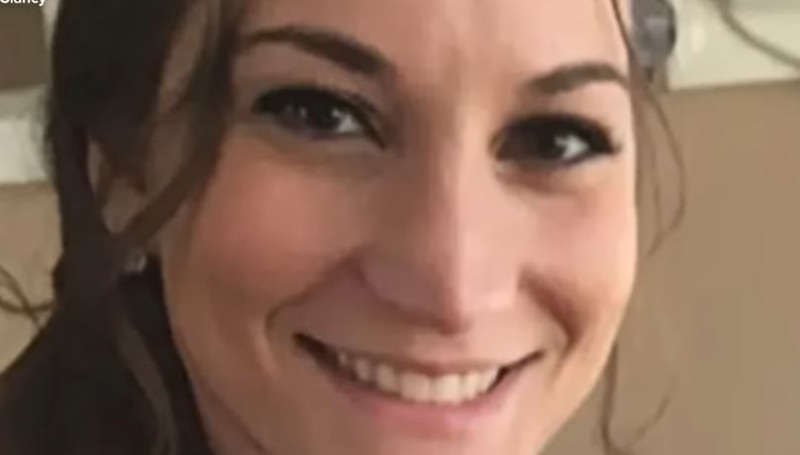
The Lindsay Clancy trial in Massachusetts passed the jury selection phase, and the main focus this week was on her mental frame of mind. The defense pointed to some intriguing developments with regard to her contact with a crisis helpline.
No Mention Of A Plan To Kill
The defense team for the former nurse has not put forward a denial that she murdered her three children: Cora, 5, Dawson, 3, and Callan, 8 months old.
But her lawyer, Kevin Reddington, wants to prove that she was suffering from postpartum psychosis and should not be held criminally responsible.
PBS reported that she “spent time in a psychiatric hospital a few weeks before she killed her three children.” But the prosecution believes that because she never talked about a plan to kill the children or herself, that she knew what she was doing at the time of the deaths.
Doctor Testifies
The court heard from Dr. Jennifer Tufts, who was the first psychiatrist who treated Clancy in the months before the deaths. During her time on the witness stand, Tufts faced some hard questions from the defense.
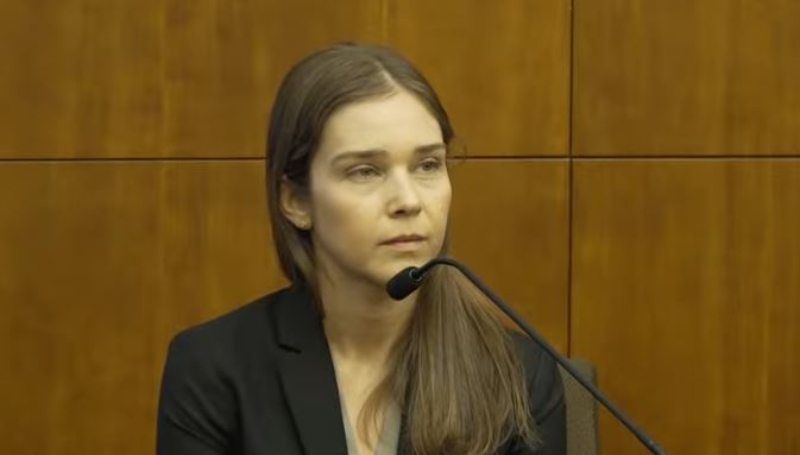
Attorney Reddington pointed out how Tufts used “25-minute video appointments with limited time for talk therapy” to evaluate Clancy.
Of interest to the case is that the defense brought up that Clancy actually reached out to a suicide crisis line twice in the fall before the tragedy, but her own doctors didn’t even know.
“It didn’t seem like there was something I was missing,” Tufts replied when asked about her treatment.
Will The Hotline Calls Help Her?
Clancy’s lawyer fleshed out the claim that she sought mental health help for months, and wasn’t properly diagnosed as she went from provider to provider. Instead, he arguyed that a series of medications that left her worse off.
The defense will hope the detail about the hotline show that Clancy wasn’t secretly plotting a crime, and it might go a long way to show a jury that she was sick, not a killer begging for help.
The Prosecution And the Jury
State prosecutor Shanan Buckingham wants to keep the jury focused on the day of the killings. She asked the jury not to let the trial become “a public debate about women’s mental health and how the medical system treats women.”
The prosecution claims that Clancy knew what she was doing, given that she arranged for her husband to go and do an errand. During his absence, she allegedly killed the children and then attempted to kill herself.
Right From Wrong
The jury will decide if Lindsay Clancy could tell right from wrong and while the hotline calls were made, but hat doesn’t necessarily win the case for her defense team.
At the end of July, Daniel Medwed, a university professor of law, told News Northeastern that “in Massachusetts, we don’t typically use the term ‘insanity defense.'” Instead, they look at the “lack of criminal responsibility.”
A Gap In Health Care
Defense attorney Kevin Reddington keeps pushingon that Lindsay Clancy was overmedicated and underserved while trying to get help.
The Guardian cited postpartum mental health expert Dr. Nicole Kumi as saying Clancy looked for support because “she knew something was wrong, but she didn’t know what was wrong.”
She also said that Clancy “was crying out for help within her home and within the healthcare system, and all she was met with was medication and redirection.”
Your thoughts? Join the discussion and then come back for all your true crime news and updates. You can also follow our TikTok channel for more crime updates.
Comments are closed.