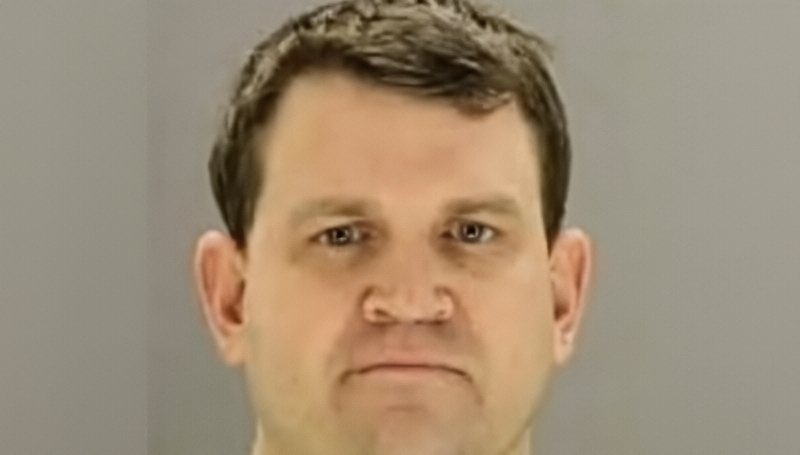
Christopher Duntsch changed the idea that when a doctor makes a terrible mistake in the operating room, the consequences end with a lawsuit. They don’t usually face a prison cell. Read on to find out more.
The Doctor In Dallas
Duntsch was a neurosurgeon in Dallas who left a trail of ruined lives. Out of roughly 38 spinal operations, reports indicate he seriously injured 31 patients and two died.
People wondered how a man with a medical degree could do so much damage.
According to a report by Oprah Daily, some people even questioned if he was “a full-blown psychopath.”
The legal system had to figure out what to do with him.
Legal Action Took Time
A woman died in 2012, but it was only in 2017 that his convictions arrived. Hospitals failed to stop him, and because of that Christopher Duntsch moved from one surgical floor to another.
The medical system kept quiet, even after serious complications arose from his early procedures. Duntsch continued practicing medicine for another two years.
Another Death & A Peer Review
Although the Texas Medical Board received several complaints and warning signs had surfaced at his first hospital, he still managed to obtain surgical privileges at a different hospital.
It ultimately took a second patient fatality and a scathing internal review in 2013 before his medical license was suspended. Not long after, he faced criminal charges.
At one point, another surgeon had to physically grab Duntsch to make him stop a disastrous procedure. It sounds like something out of a bad movie, but it happened.
Prosecutors faced a massive hurdle when they finally arrested him in 2015. They believed his conduct deserved more than a medical malpractice lawsuit.
How Did He Get A Conviction?
To get a murder conviction, you usually have to prove the killer wanted their victim dead. In other words, prosecutors usually have to show the accused intended to kill.
Christopher Duntsch never admitted to wanting his patients to die. His lawyers argued he was just a bad doctor who made mistakes. They claimed it was a civil matter, not a criminal case.
The State Strategy
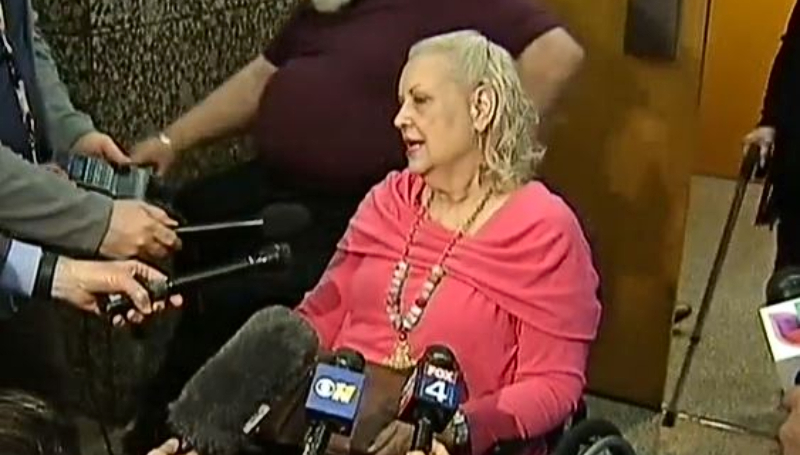
Prosecutors looked at the case of Mary Efurd. She was a 72-year-old woman who went to Duntsch for routine back surgery. He severed her spinal cord. He also put a screw into her spine that punctured her aorta, causing severe bleeding.
The prosecution argued Duntsch showed a total disregard for human life. In legal terms, that’s often described as depraved indifference. It doesn’t mean someone intended to kill a particular person. Instead, it means they acted with such extreme recklessness that the outcome was almost inevitable.
A simple comparison is firing a gun into a crowded room. You may not be aiming at anyone in particular, but you know there’s a high chance someone will be seriously hurt.
According to court records cited by the Texas Court of Appeals on FindLaw, Christopher Duntsch “knowingly engaged in conduct that was practically certain to cause” serious bodily injury.
Prosecutors argued that despite knowing the devastating outcomes of earlier operations, he continued performing surgeries on new patients.
Found Guilty By The Jury
The jury agreed. In 2017, Duntsch was convicted of injury to an elderly person, a charge that carried the same potential punishment as murder under Texas law. He was sentenced to life in prison.
The case also exposed major failures within the healthcare system. As Factual America noted, it showed how a dangerous surgeon was able to move between hospitals despite a growing trail of catastrophic patient outcomes.
Hospitals could no longer quietly pass troubled doctors from one institution to another without facing difficult questions about patient safety.
Duntsch will remain behind bars unless granted parole. He first becomes eligible in 2045, when he will be 74 years old.
For many of the victims and their families, justice came painfully late. But in the end, the system held him accountable.
What are your thoughts on the case? Join the discussion below, then come back here for more true crime news and updates. You can also follow our crime channel on TikTok.