
Michael McKee Double Murder Case Has Gone Quiet – Why?
The accused vascular surgeon remains jailed without a trial date, but legal experts say that's not unusual in a potential death penalty case.

- 0Facebook
- 0Twitter
- 2Pinterest
- 0LinkedIn
- Total2
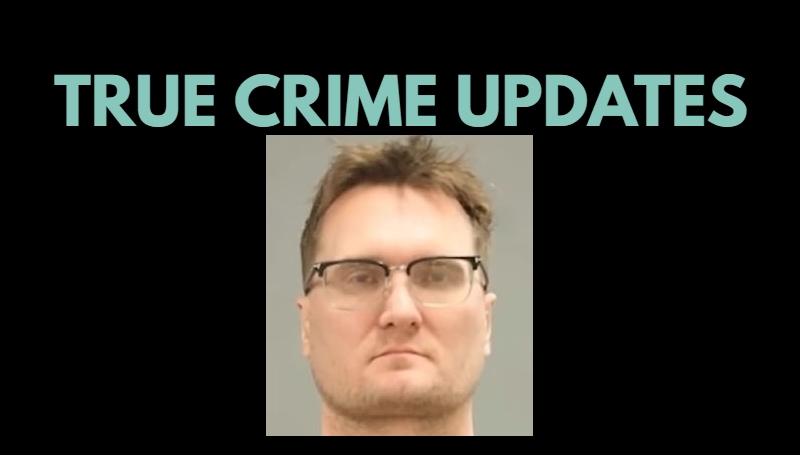
Michael McKee, a prominent vascular surgeon accused of a double murder, remains in a jail cell seven months after the murders of Monique and Spencer Tepe in Columbus, Ohio. He pleaded not guilty back in January. Yet, a trial date remains nowhere in sight.
To those watching from the outside, the case looks entirely stalled. It isn’t. It’s not that the case has stopped moving. Far from it. The silence is the reality of a modern capital murder prosecution grinding forward.
High Stakes and Strategic Silence
High-profile murder cases often disappear into a black hole of motions and evidence sharing. In a special report by Court TV, analysts noted that the stakes in this specific case alter the timeline.

Prosecutors upgraded the charges to premeditated aggravated murder.
McKee could face the death penalty or life without parole, and judges most likely won’t want to cut any corners with so much at stake.
The defense has a right to see everything. According to a report by ABC7NY, McKee’s defense attorney, Diane Menashe, “waived bond requests” during an early appearance.
And suggested her client zip his lip. Advising a client not to speak publicly is generally considered a wise legal strategy, particularly in a potential capital case. Public statements give the state an edge.
The Modern Discovery Bottleneck
The biggest slowdown involves the legal exchange called discovery. Decades ago, evidence fit inside a couple of cardboard boxes.
Today, it lives on servers. Investigators have to sift through terabytes of cell phone data, GPS history, internet searches, and security footage spanning two different states.
According to an affidavit cited by CNN, investigators alleged that “McKee used a firearm suppressor and entered the home without forced entry.”
The outlet also reported that investigators said ballistics testing linked a firearm recovered from McKee’s Chicago apartment to evidence from the crime scene.
The defense team can’t just accept the state’s ballistics report at face value. They must hire their own experts to test the gun. They have to audit the digital trail. If the defense rushes and misses something, it creates an easy path for an appeal later.
Systemic Courtroom Delays
Systemic issues also cause delays. A commentary by the R Street Institute titled “The Cost of Criminal Case Delays and State-Tested Solutions” points out that administrative bottlenecks regularly cripple court dockets.
Months of waiting turn into years.
As the case moves through the court system, public attention has naturally shifted elsewhere. Yet McKee remains in custody while attorneys continue preparing for what could become a lengthy capital murder trial.
If convicted, McKee could face the death penalty, life without parole, or another lengthy sentence depending on the final charges and any verdict reached.
A Slow But Quiet Progression
His lawyers will keep filing paperwork in quiet courtrooms. The process is slow and often frustrating to watch from the outside.
Nevertheless, these lengthy procedures exist because the stakes in a capital case are so high.
Legal scholars continue to debate whether such delays represent a necessary safeguard or a systemic failure.
Your thoughts on the slow case of Michael McKee? Let us know in the comments below, and come back here often for all your true crime news and updates. And remember, we have a TikTok crime channel that you can follow.
Comments are closed.