
College Student Shot With Hands Raised – Cop Sean Farrell Faces Manslaughter Charge
Bodycam footage and police training protocols raise questions after Corporal Sean Farrell fatally shot Glenwood "Bubba" Pysher IV.

- 0Facebook
- 0Twitter
- 0Pinterest
- 0LinkedIn
- Total0
Upper Pottsgrove Corporal Sean Farrell was charged with voluntary manslaughter after he responded to a suspected burglary in Montgomery County on August 23.
What Happened
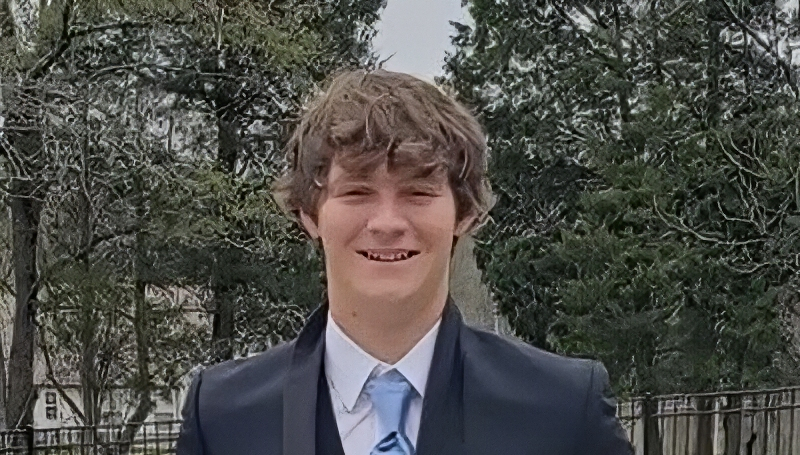
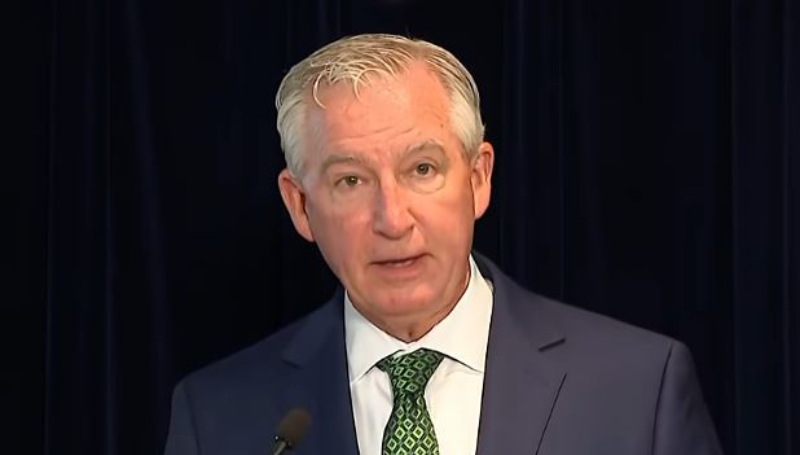
The case involves the shooting of a college student named Glenwood “Bubba” Pysher IV. In a press statement, D.A. Kevin Steele outlined the investigation and related some of the investigators’ conclusions.
According to 10 News, Bubba Pysher had been out with friends, and later, a designated driver dropped them off at a home. Pysher then walked to another house, looking for a friend, but ended up at the wrong property. Banging on the door frightened the occupants, who called 911.
Allegedly, when Corporal Sean Farrell arrived, bodycam footage revealed that Pysher complied with commands, raising his hands in the air and stepping forward.
However, it also revealed that the “Stop or I’ll shoot” warning was only partially called out before Farrell pulled the trigger, with fatal results.
Frightening Possibilities
While most true crime followers get that it might be scary for police officers, they are trained to control their reactions during the instinctive adrenaline rush that accompanies the normal fight-or-flight response. So, there’s likely to be a lot of interest in the case.
For an officer late at night, an unknown prowler could turn out to be potentially fatal. So, it’s only natural that high alertness could trigger an overreaction. But if that’s what happened, there’s a suggestion that there could have been a big failure related to basic training.
Use of Lethal Force
When Pysher stood on the patio with his hands raised and followed the commands to step forward, the use of force seemed over the top, given that the officer had access to less-lethal means of subduing the subject if required.
Despite training to operate under stress, police officers can experience tunnel vision, auditory exclusion, and impaired decision-making if they lose control of the situation from a psychological aspect.
Standard Procedures
Procedure usually involves the incoming 911 call establishing the whereabouts and nature of the reported threat. And that’s where the responding officers come in.
Standard procedures can involve officers locating the suspect and ordering them to the ground and/or demanding that they raise their hands.
The next step would be reinforcing it with more verbal commands before running a quick search and cuffing the person.
However, the verbal commands by the officer and the responses by Pysher seemed to become jumbled because, before the situation escalated, Pysher had been shot twice in the chest.
Annual Training Is In Place
Notably, Pennsylvania requires municipal police officers to undergo annual training on the use of force. That includes deadly force, de-escalation and harm-reduction techniques.
In 2026, officers are also required to cover critical decision-making, with the state’s control tactics training placing an emphasis on using force in an ethical and legally defensible way.
Less-Lethal Options
Reportedly, Farrell was approximately 17 to 20 feet away, and he had the police vehicle to provide him with partial cover. At that distance, on the surface of it, Farrell didn’t appear to need to rush his reaction because he had both distance and time to consider an alternative response.
The District Attorney noted that Farrell had a “Taser, chemical spray, and a baton.”
Questions On Procedures
Tactical response training focuses on less-lethal confrontation, and bypassing less-lethal options even under stress raises questions about whether standard police procedures were followed.
In the final seconds of the confrontation, allegedly, Farrell fired before finishing his own command. And that could suggest that shouting the warning while pulling the trigger was a reactive response rather than a controlled tactical action.
The Voluntary Manslaughter Charge
The voluntary manslaughter charge filed on September 1 can apply when a person honestly but unreasonably believes lethal force is justified.
In other words, Farrell didn’t necessarily need to have a preconceived plan to kill the suspected burglar for a voluntary manslaughter charge to apply.
The defense could argue that Farrell acted out of reasonable fear because it was dark and he didn’t know what he was facing.
But the bodycam footage gives the prosecution something very different to work with. It could support their argument that Farrell overreacted when Pysher wasn’t posing a threat.
Breaking Public Trust
Police officers sometimes need to be aggressive, but that’s not all that policing is about. People also need to know that they can trust an officer to keep them safe.
What happened with Farrell is an unfortunate situation that breaks down trust and could leave people living in the area feeling betrayed.
Police training is well documented, and it could be argued that somewhere along his career, Officer Farrell failed to apply that training.
By all appearances, the measured approach to de-escalating a situation under pressure didn’t hold firm. The manslaughter charge shows that the state is prepared to hold police officers accountable when prosecutors believe their actions cross the line into criminal conduct.
An Internal Review
ABC News reported that the incident prompted a broader internal review. The outlet cited Upper Pottsgrove Township Manager Joseph Geib as saying:
The township and police department will also begin an internal review of all relevant policies, training protocols and field responses to ensure compliance and transparency.
What are your thoughts? Join the discussion, and then come back here for more true crime news and updates. You can also stay informed by checking out our crime channel on TikTok.