
Nick Reiner Case: How California Law Defines ‘Lying In Wait’
Unpacking California's "lying in wait" allegation in the Nick Reiner indictment and what it means under state law.

- 0Facebook
- 0Twitter
- 0Pinterest
- 0LinkedIn
- Total0
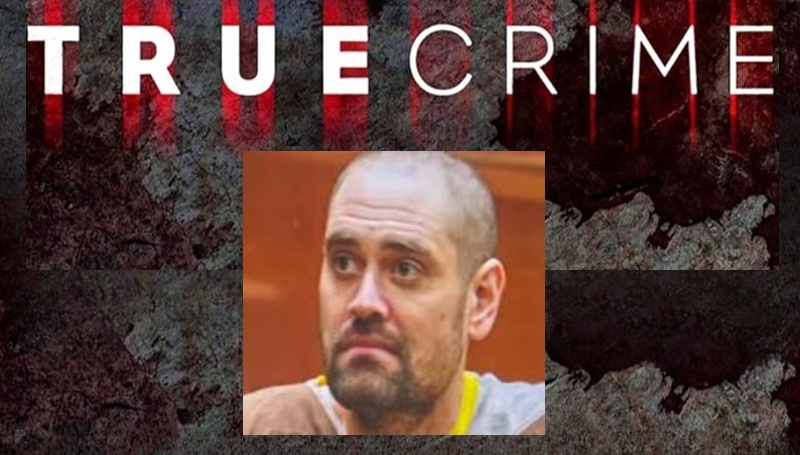
The latest development in the Nick Reiner case involves a California legal term that is now attracting attention: “lying in wait.”
According to KCEN-TV, a Los Angeles County grand jury returned the indictment on July 20, 2026. It was unsealed on August 12, when Reiner pleaded not guilty to charges alleging that he murdered his parents, Rob and Michele Reiner.
The Death Penalty Question
There’s a lot of speculation about what the lying in wait aspect might mean and whether it means he might end up being eligible for the death penalty.
Reuters noted that “The special circumstances make him eligible for the death penalty if prosecutors decide to seek it.”
However, it should be noted that the lying-in-wait allegation did not create that potential maximum punishment on its own, per THV11.
The Charges
CBS News reported that Nick Reiner faces “two counts of murder with the special circumstance allegations of multiple murders and murder by means of lying in wait,” alongside a special allegation of “personally using a dangerous and deadly weapon (a knife).”

He already faced life without parole or the death penalty before “lying in wait” was added. The Associated Press noted that lying in wait “as an allegation [is] meant to show premeditation.”
While it does not increase the maximum possible punishment, it gives prosecutors another special-circumstance allegation to prove. Prosecutors have not publicly explained why it was added.
Lying in Wait in California
Under California Penal Code 190.2(a)(15) and standard jury instruction CALCRIM No. 728, prosecutors must prove four specific things beyond a reasonable doubt.
- The defendant concealed their true purpose from the victims.
- They waited and watched for an opportune time to act.
- The defendant launched a sudden surprise attack from a position of advantage.
- The defendant intended to kill the victims by taking them by surprise.
That might sound complex, but it means that the prosecution would need to show that Nick Reiner hid his intentions to harm Rob and Michele.
In other words, they allege that he waited and watched for an opportunity to attack. The bottom line is that he intended to surprise them without warning.
Contrary to what true-crime followers might expect, a suspect does not need to lurk in dark bushes or hide in a closet. As documented on Justia Law, physical hiding is not required.
In the landmark case People v. Morales (1989) 48 Cal.3d 527, the California Supreme Court ruled that a suspect can stand in plain sight, engage in normal conversation, or ride in a vehicle with a victim.
The court ruled that “Physical concealment is not required; concealment of purpose is sufficient to meet the statutory requirement.”
How Long Do Suspects Have To Wait?
How long should a person be lying in wait? Is it a few hours, a few days, or a few minutes? Well, California law sets no specific minimum period for lying in wait. However, the period must be substantial enough to demonstrate a state of mind equivalent to deliberation or premeditation.
In People v. Edwards (1991) 54 Cal.3d 787, the California Supreme Court explained: “We have never held that the watching and waiting must continue for any specified period of time… The duration of the waiting and watching need only be sufficient to demonstrate a state of mind equivalent to premeditation or deliberation.”
What Nathan Hochman Said
Grand jury proceedings are secret, so the indictment does not reveal the alleged circumstances or how long prosecutors believe Reiner waited.
In a statement after the indictment, Los Angeles County District Attorney Nathan Hochman said: “This was a profound betrayal by someone who was loved and trusted by the very people he is accused of killing.”
Then he talked about the lying in wait by explaining, “The indictment unsealed today also adds a special circumstance allegation that the defendant committed the murders by means of lying in wait.”
The Legal Reality
Reiner pleaded not guilty when the indictment was unsealed. An indictment means that a grand jury found probable cause to bring the allegations against him, but it ‘s not evidence that he has been found guilty.
Prosecutors must prove the murder charges and each element of any special-circumstance allegation beyond a reasonable doubt. The indictment does not disclose what evidence prosecutors believe supports their lying-in-wait theory.
Comments are closed.