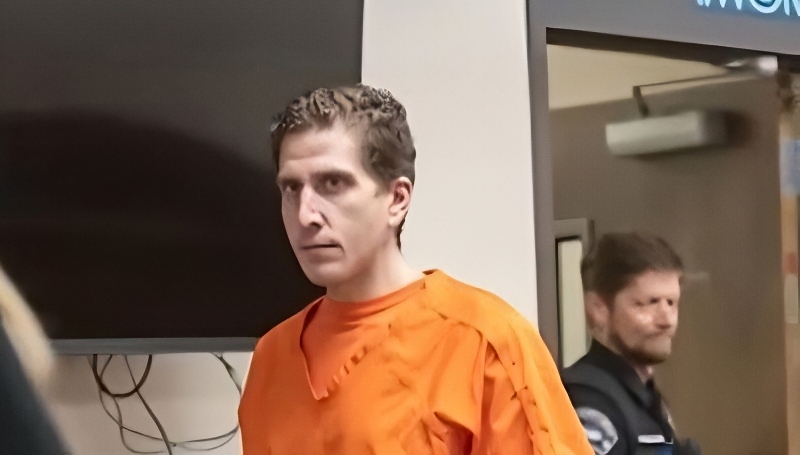
In Moscow, Idaho, the community waited nearly three years to discover that Bryan Kohberger admitted to the murders of four students. While the victims need to be honored and remembered, he remains a fascinating case study for law enforcement, specialist psychologists, and true crime followers. Notably, his academic focus on criminology is just one of them. Read on to find out more details.
Studying Crime
The fact that Kohberger chose criminology and then used Ph.D. research to commit his own murders raises a lot of questions. Interestingly, Bryan Kohberger started a very specific research project while studying at DeSales University.
You may have heard that he also posted a survey on Reddit as he tried gathering former prisoners’ take on their “thoughts, emotions, and actions” during their crimes. While it seemed like a standard class assignment, he also questioned their decision-making process and emotional state leading up to an offense.
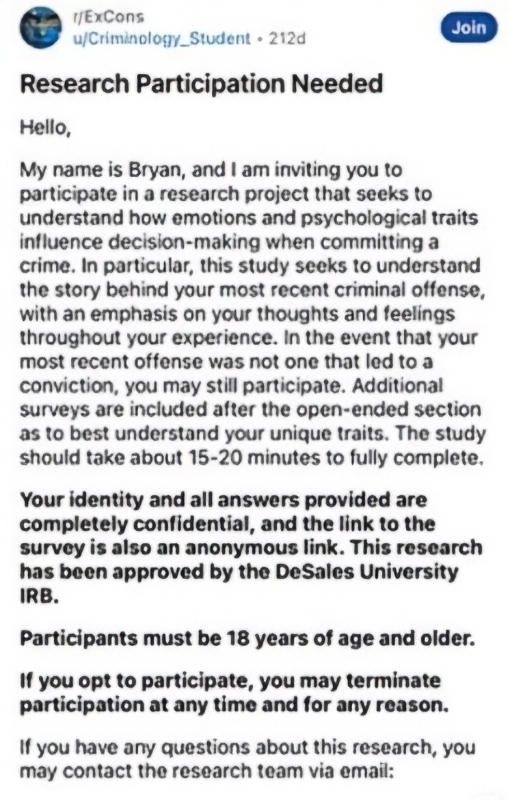
In hindsight, what seemed normal back in the day simply wasn’t. Nowadays, experts suggest he interviewed criminals so he could think the same way as they did.
A Brilliant Student
Dr. Katherine Ramsland, who had him as a student, said her initial impression was that he was an outstanding student. At one stage, she even noted that he seemed like a “brilliant student.” Additionally, she noted his dedication to the field.
However, retrospectively, perhaps he hid behind a mask of what really stayed inside his head. In fact, it’s quite possible he used what he learned from her to pretty much fine-tune his future killings.

It’s not unnatural that some true crime followers drew a connection between Kohberger’s academic studies and the crime later committed. These days, there’s a generalized theory that Kohberger used his doctoral studies not just to understand crime, but as a plan.
The Cleverest Guy On The Block?
In Criminal Investigations and Network Analysis, the university naturally felt shocked when one of their students learned and then applied it in real life. However, they did note that teaching is about “why” and not “how” to kill people.
While he wasn’t intellectually disabled, Kohberger certainly seemed to think he was a lot cleverer than others in the field of crime. So, naturally, Bryan Kohberger thought he was also a lot smarter than detectives.
Howard Blum, an investigative reporter who authored When the Night Comes Falling, dug deep into that angle. And, he concluded that Kohberger “wanted to be the smartest person in the room.” Ironically, he also noted that the suspect “studied the very techniques that would eventually lead to his own arrest.”
Arrogance & Obvious Blunders
Actually, it turned out that Bryan wasn’t so clever after all, as his arrest and conviction were greatly helped by some rather obvious blunders. In fact, perhaps they could be considered arrogance factors.
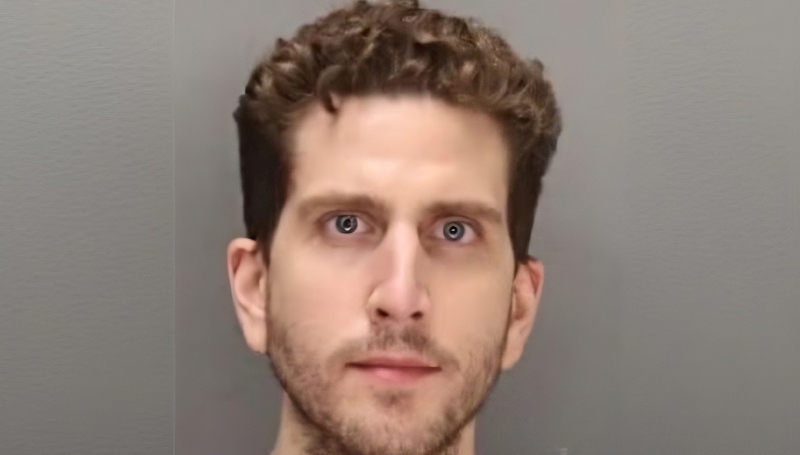
When he tried scrubbing his car with bleach and wearing surgical gloves to hide his DNA, his attempts lacked some professionalism. Then, while he knew about cell tower pings, his phone still put him in the area of the King Road house multiple times.
While the concept of DNA wasn’t new to him, he left a leather knife sheath behind on a victim’s bed. Looking back now, it’s almost as if he prided himself on being the ultimate true crime “mastermind.”
However, pride comes before a fall, and he overlooked what any street thief might think about. Things got messy, and the not-so-dumb investigators were able to find enough evidence to get him slammed behind bars.
Lack Of Perfection
The lack of perfection, in a roundabout way, was confirmed by Professor Richard Rosenfeld, from the Department of Criminology at the University of Missouri at St. Louis. He noted that “Studying criminology is no more likely to lead to crime than studying accounting is to lead to accounting fraud.”
Plus, it hasn’t got anything to do with what they learned in class. Well, the mistakes he made seem to point to areas Kohberger missed in the classroom.
The Ugly Fascination
What makes Bryan Kohberger such a fascinating case when it comes to his state of mind seems to lie in his deep inner spaces. After all, he dedicated himself to understanding criminals very well. However, he then also made mistakes that he had studied.
In practice, he didn’t anticipate his own errors when acting under pressure. For true crime followers, Kohberger remains a strange contradiction. After all, he knew how to plan and execute the perfect crime to get away with it. But then, he failed and sits behind bars to ponder that for several lifetimes.
A Case Discussed For Years To Come?
Bryan Kohberger serves four consecutive life sentences in Idaho. While his criminal case ended, his psychological profile still holds some fascination, rather like a rattlesnake dripping venom. So, he probably gets studied for years to come.
For now, nobody really knows if he studied criminology to understand murders, or if he simply studied to become one.
Perhaps it also keep the families of the victims awake at night. They were:
- Kaylee Goncalves, 21
- Madison “Maddie” Mogen, 21
- Xana Kernodle, 20, and
- Ethan Chapin, 20.
What are your thoughts? Let us know in the comments below, and remember to come back here often for all your true crime news and updates. Plus, we do have a TikTok crime channel that you can follow.