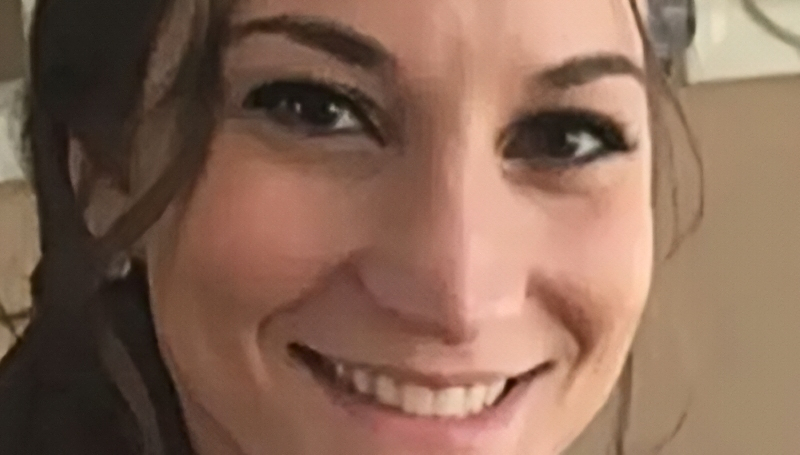
A near-mistrial in the Lindsay Clancy case over “mortal sin” made crime followers question what seemed to be a contradiction: Why could the defense invoke God and heaven as evidence of psychosis while the state could not examine those beliefs?
‘Mortal Sin’
On Day 19 of the Lindsay Clancy trial, a prosecution expert repeated a question that immediately caused trouble: “Isn’t suicide a mortal sin?”
Dr. Kirk Heilbrun, the prosecution’s forensic psychologist, was recalling how he had questioned Clancy about her Catholic beliefs.
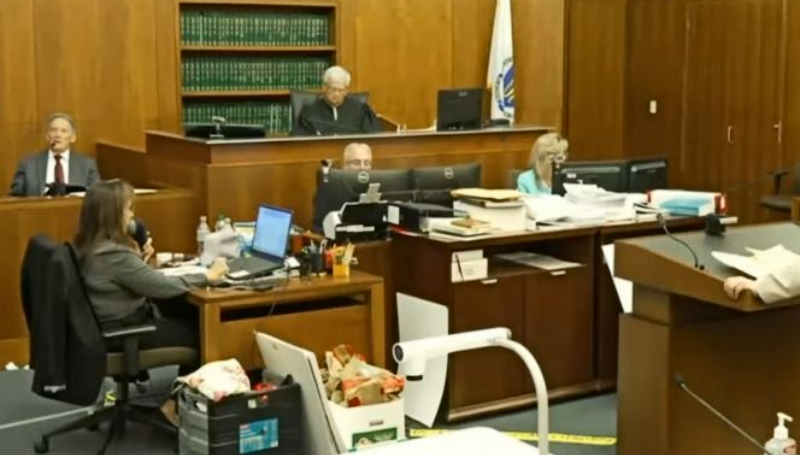
Defense attorney Kevin Reddington immediately moved for a mistrial, arguing the prosecution had improperly injected religious doctrine into the case.
According to the New York Times, “The religious reference…incensed the presiding judge, who sternly instructed jurors to disregard it.”
The Second Occurrence
This was not the first time “mortal sin” had surfaced. The previous week, during cross-examination of Susan Clancy, Lindsay Clancy’s mother-in-law, a prosecutor asked whether she was aware that murder is considered a mortal sin in the Catholic Church.
The judge had called an immediate sidebar, instructed the jury to disregard the question, and made it clear he would not tolerate religious arguments in the trial.
At the time, per Patriot Ledger, “Reddington objected, but didn’t move for a mistrial.” However, after the second time it was raised, he said, “Unfortunately at this point, … this is just over the top. It’s the same thing again, talking about religion. Talking about heaven.”
Instruction For The Jury
By the time Heilbrun mentioned “mortal sin” again on Day 19, the judge’s patience with the subject had already worn thin.
He told the jury that testimony about the religion in which the defendant was raised was to be stricken and not considered.
The Chaplain
The jury had already heard religion mentioned elsewhere in the Lindsay Clancy trial. A hospital chaplain testified that Clancy believed her children were “safe with God.”
Some people who follow the trial might wonder why the chaplain was allowed to talk about religion but the psychologist was not.
The two situations were not exactly the same because the chaplain repeated a conversation with Clancy while Heilbrun’s remark seemed to stray into the beliefs of the church.
Not A Theologian
The expert was not qualified as a theology expert. Heilbrun is a psychologist, not a priest. Allowing him to testify about Catholic doctrine and what is or is not a mortal sin could confuse the jury.
Heilbrun volunteered the “mortal sin” exchange unprompted while describing his evaluation which weakens any suggestion of prosecutorial misconduct.
Questioning The Decision
On YouTube, legal expert Lawyer Lee suggested that the judge might have taken too broad an approach to it.
She said, “I am not convinced that the judge was right on this one. I think the prosecution has a serious argument that what this expert said was relevant and should be admissible in the trial.”
Continuing, Lawyer Lee explained, “The Commonwealth is allowed to prove that Lindsay had the substantial capacity to understand that what she was doing was legally wrong.”
However, she also noted that “It also has an alternative. It can prove she had the capacity to understand that what she was doing was morally wrong.”
Possibly Important
That could make Heilbrun’s incomplete testimony potentially important. Lindsay Clancy reportedly believed she would die and join her children in heaven, but if that clashed with what she personally believed about suicide, the prosecution could argue that her explanation was inconsistent.
The judge stopped Heilbrun before he could explain where he was going with it.
What Both Sides Agree On
Both experts agreed that Clancy was suicidal and believed her children would suffer without her.
Allegedly, she took the lives of her three children out of desperation, because she believed that her actions would keep them safe.
The two sides do not disagree about what Clancy did. She admitted that she deliberately killed her children. The question is why she did it and whether she was criminally responsible.
The defense argues that postpartum psychosis distorted her thinking while prosecutors claim she was not psychotic and understood what she was doing.
That difference is why her references to God, heaven and sin might matter. They could be evidence of psychosis, but the prosecution could also use them to question whether her explanation was consistent.
The Trial Continues
Heilbrun never got to finish after the judge stopped the testimony and told the jury to ignore it. Reddington asked for a mistrial, but the trial will continue.
Your thoughts? Join the discussion and then come back here for more true crime news and updates. You can also follow our crime channel on TikTok.